Football Yard Lines: A Designer's Review
As someone who has spent years navigating the intersection of digital design and physical stitching, I approach every new machine embroidery design with a critical eye. The market is flooded with generic assets, but finding a file that translates well from screen to fabric is a different story. Recently, I evaluated the Football Yard Lines graphic, a digital cut file designed specifically for cutting machines but with clear potential for hybrid embroidery projects. My goal was to determine if this asset holds up under the scrutiny of a professional workflow, from initial concept to the final finished product.
First Impressions: Structure and Visual Weight
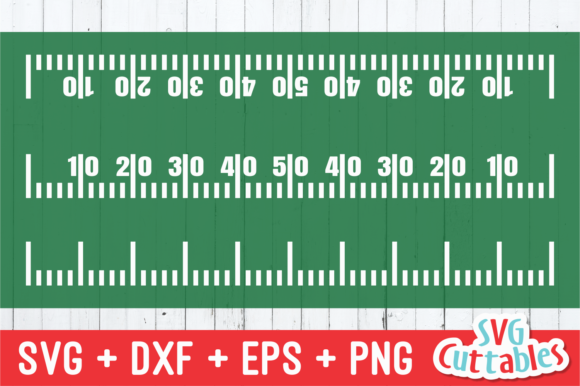
When I first opened the Graphics folder containing the Football Yard Lines, the immediate impression was one of clean, geometric utility. Unlike organic floral patterns or complex script fonts, this design relies on straight lines and bold spacing. In the world of Crafts, simplicity often wins, especially when dealing with sports themes. The layout features distinct yard markers that create a sense of rhythm across the field. For an embroidery project, this linear structure suggests a high tolerance for error in placement, which is a relief for anyone working with tricky fabrics.
The visual personality here is unmistakably sporty yet versatile. It doesn't scream "cheerleading" exclusively; it feels like a nod to the game itself. This makes it a strong candidate for custom apparel where the wearer wants to show team spirit without relying on specific logos or copyrighted imagery. The design's strength lies in its ability to act as a background element or a standalone statement piece, depending on how you manipulate the scale.
Testing the Design: A Real-World Sweatshirt Scenario
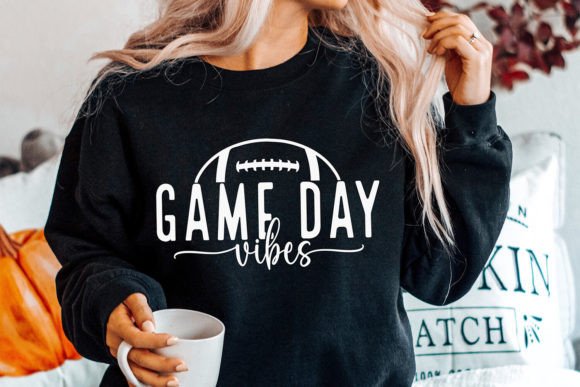
To truly judge the viability of Football Yard Lines, I mentally walked through a real client order. Imagine a request for a custom crewneck sweatshirt for a local youth football league coach. The client wants something durable, stylish, and recognizable. If I were using this as a primary motif, I would likely place it across the back, spanning from shoulder to shoulder.
In this scenario, the stitch density becomes a crucial factor. Because the design consists of parallel lines, there is a risk of the threads bunching up if the spacing is too tight. However, since this is primarily a digital cut file (SVG, DXF, EPS), it offers flexibility. I could use these lines as a guide for a satin stitch border around a larger patch or use them as a fill pattern behind a player number. On a heavy cotton blend sweatshirt, the contrast between the white yard lines and a dark navy fabric would be striking. The customer reaction? Likely positive. It feels modern and less cluttered than traditional applique designs that often suffer from fraying edges after a few washes.
Adapting for Smaller Items and Gifts
While the full-field view works on large garments, the Football Yard Lines also shine when scaled down. Consider a personalized gift like a baby onesie or a toddler's bib. By isolating just two or three yard lines and adding a small embroidered number, you create a cute, gender-neutral nursery decor item. The key here is the line weight. On a tiny hoop size, thick lines can look muddy, so I would ensure the file is vector-based and scalable before committing to the hoop size. This adaptability makes it a valuable asset for any Etsy seller looking to diversify their inventory beyond standard text-based gifts.
Navigating Fabric Challenges and Technical Nuances
No design is perfect for every situation, and Football Yard Lines requires careful consideration regarding the substrate. While the straight lines are forgiving, they do not hide texture well. If you attempt this on a highly textured fabric like a bouclé jacket or a thick fleece, the definition of the lines may get lost in the weave. Similarly, on stretchy fabrics like jersey knits, the tension required to keep the lines straight can cause puckering if the wrong stabilizer is used.
I strongly advise against using this design on very thin fabrics without a tear-away stabilizer, as the weight of the thread in the dense areas might distort the material. For curved surfaces like baseball caps, the geometry of the yard lines must be adjusted. Straight lines on a dome can look warped unless the digitizing software allows for curve compensation. If you are planning a commercial embroidery run on caps, test the design on a scrap cap first to see how the lines behave over the seam.
Maximizing Value for Craft Businesses
For the small shop owner or creative entrepreneur, the value of Football Yard Lines extends beyond a single garment. It serves as a fantastic design asset for creating cohesive branding. You could use the same yard line motif on tote bag designs, aprons, and even kitchen towels to create a unified "Game Day" collection. Consistency builds customer trust; when buyers recognize your aesthetic across different products, they are more likely to return.
The inclusion of formats like SVG, DXF, PNG, and EPS means this file is versatile. While the description notes it is made for cutting machines, savvy designers know that SVG files can often be imported into embroidery software to trace outlines for satin stitches. This dual-use capability increases the return on investment. However, always verify the licensing terms before selling finished items or reselling the digital file itself. Understanding whether you have rights for commercial embroidery is non-negotiable for protecting your business.
Practical Tips for the Best Results
If you decide to integrate Football Yard Lines into your workflow, follow these practical steps to ensure a professional outcome:
- Test on Scrap Fabric: Never skip the test run. Stitch the design on a piece of the actual fabric you intend to use to check for puckering and alignment.
- Check Thread Contrast: The impact of the yard lines depends heavily on color choice. Test black thread on grey fabric versus white on navy to see which offers better visibility.
- Review Stitch Density: If converting to an embroidery file, ensure the fill stitch isn't too dense, which can stiffen the fabric unnecessarily.
- Use Proper Stabilizer: For straight lines to remain crisp, a cutaway stabilizer is often better than tear-away for knit fabrics.
- Mockup in Black and White: Before purchasing thread, visualize the design in grayscale to ensure the contrast is sufficient for the final look.
- Inspect Small Details: If you are using the version with numbers, zoom in to ensure the font remains legible at your intended scale.
Final Verdict: A Solid Foundation for Sports Themes
Ultimately, Football Yard Lines is a robust tool for the modern maker. It avoids the trap of being overly trendy, opting instead for a timeless representation of the sport. Whether you are creating a sweatshirt embroidery for a dad, a holiday embroidery gift for a fan, or stock for your craft business, this design provides a clean canvas for creativity. Its success lies in the hands of the designer who understands how to balance the digital precision of the file with the physical realities of thread and fabric. With proper preparation and attention to detail, this handmade product can stand out in a crowded marketplace, offering a polished, professional look that customers will appreciate.